Where we work
Orange County is the core of it, with jobs north into Los Angeles County and inland into San Bernardino County.
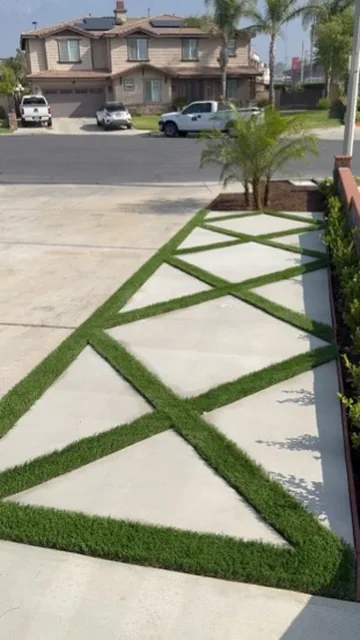
Why the town matters to the price
People assume a service area is about travel time. It is mostly about ground. Inland Orange County is clay that swells and shrinks. The coast is sand that drains fast and salt air that eats cheap fixings. The southern hill communities bring slope, which turns almost every project into a retaining and drainage job before it is a planting one. High desert inland is a different climate entirely.
Those differences change base depth, footing design, material specification and plant selection. A contractor quoting the same detail across all of it is quoting from a template. We price from the site, which is why we come out before giving you a number.
Permit rules and design review also change town by town, and in the master-planned communities the association standards are as binding as the city code.
Orange County
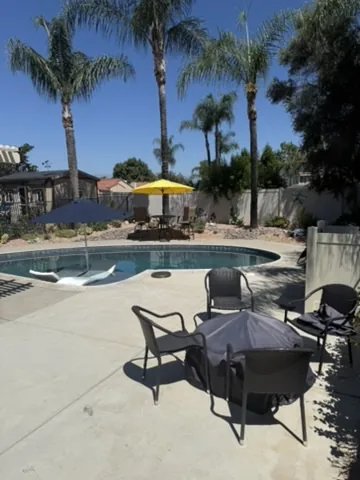
Roth Landscaping works across Orange County, from the inland tracts through the hill communities to the coast. Turf, pavers, concrete, walls and lighting.
- Aliso Viejo
- Anaheim
- Brea
- Buena Park
- Costa Mesa
- Cypress
- Dana Point
- Fountain Valley
- Fullerton
- Garden Grove
- Huntington Beach
- Irvine
- La Habra
- La Palma
- Laguna Beach
- Laguna Hills
- Laguna Niguel
- Laguna Woods
- Lake Forest
- Los Alamitos
- Mission Viejo
- Newport Beach
- Orange
- Placentia
- Rancho Santa Margarita
- San Clemente
- San Juan Capistrano
- Santa Ana
- Seal Beach
- Stanton
- Tustin
- Villa Park
- Westminster
- Yorba Linda
Los Angeles County
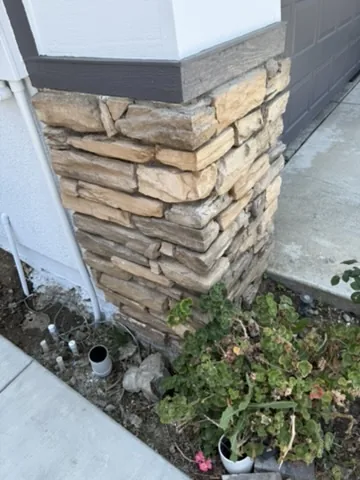
We take landscape, hardscape and masonry work north into Los Angeles County, concentrated in the hillside and estate communities.
San Bernardino County
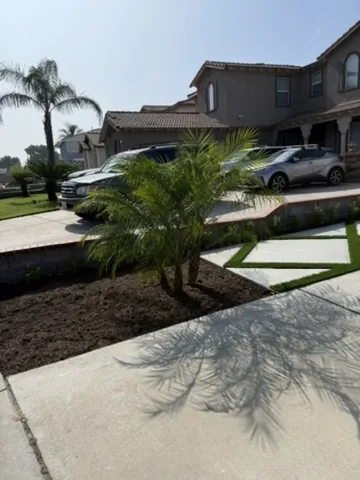
Inland work across San Bernardino County, where summer heat and alkaline soil decide which materials and plants are worth installing.
Associations, permits and design review
A large share of the housing across these three counties sits under a homeowners association, and in the master-planned communities the association standards are as binding as the city code. Irvine, Laguna Niguel, Mission Viejo, Rancho Santa Margarita and Aliso Viejo are all governed this way, and the standards differ village by village rather than city by city.
We design to what will actually be approved and provide the drawings and specifications committees expect. That usually saves a submission cycle, which on some boards is a month.
City permits are a separate matter. Retaining walls above a set height, walls carrying a surcharge, and ADU groundwork typically require them, and every city runs its own process and its own inspection schedule. Some communities add design review on top: San Marino and Palos Verdes Estates both scrutinise exterior work closely, and the historic districts in Orange and Santa Ana have their own requirements.
We check what applies at your address before designing, rather than finding out at the permit counter. Finished examples from across these towns are in the gallery.
How we work across a spread-out area
We keep the crew on one site at a time rather than splitting across three. It means a job finishes before the next one starts, and it means the people who began your project are the people who finish it.
For material deliveries and equipment that matters practically. Aggregate, block and concrete all arrive on schedule to one address rather than being juggled, and access arrangements are made once.
Distance can affect the price on a very small job because of travel and delivery. On a full project it makes very little difference, and we would rather tell you that plainly than quietly load a number.
What travels with us to every job
The same crew, the same standard of base preparation, and the same order of work regardless of which town the property is in. What changes between towns is the specification, because the ground changes: base depth, footing design, drainage strategy and plant selection are all set against the site rather than applied from a template.
We also check the local rules before designing rather than at the permit counter. Retaining wall thresholds, design review requirements and association standards vary considerably across these three counties, and in the master-planned communities the association is frequently the stricter of the two.
If your property sits just outside the towns listed here, call and ask. Whether we can take it usually depends on the scale of the work rather than the distance.
Choosing a contractor outside your own town
Homeowners often assume the nearest contractor is the safest choice. What matters more is whether they work on your kind of ground regularly. A crew that builds on flat inland clay every week and rarely touches a hillside will approach a sloping lot differently from one that handles retaining work constantly.
Ask any contractor where their recent jobs were and what the ground was like. If your property is on a slope, ask specifically what they did about drainage behind the last wall they built. The answer tells you quickly whether they are describing their own work or repeating something general.
It is also worth asking who is actually going to be on site. A great deal of landscape work in this region is subcontracted trade by trade, which is a legitimate way to run a business and does mean the concrete crew and the masonry crew may never meet. We keep it in house, which is why the finishes line up where two materials meet.
The area we cover
Orange County is the center of it, with work north into Los Angeles County and inland into San Bernardino County. Call (909) 567-5653 and we will tell you honestly whether your property is in range.
Questions about coverage
What if my town is not listed?
Call and ask. The list covers where we work routinely, and whether we can take something outside it usually depends on the size of the job rather than the distance.
Do you charge more further out?
Distance can affect a price on a small job because of travel and material delivery. On a larger project it makes very little difference. We will be straight with you about it.
Which county do you work in most?
Orange County, by a wide margin. Los Angeles and San Bernardino work tends to be larger projects rather than small ones.
Do the rules change between cities?
Yes, considerably. Permit thresholds for retaining walls, design review and HOA requirements all vary town by town. We check what applies at your address before designing.
Can you handle HOA submissions?
Yes. We provide the drawings and specifications committees expect and design to what will be approved rather than submitting something that comes back.
How soon can you come out?
Usually within a few days anywhere in the core service area.
Do you know the local permit thresholds?
For the cities we work in regularly, yes, and we check rather than assume, because they get revised. Retaining wall height limits and what counts as a surcharge are the two that catch people out most often.
Is the work the same across all three counties?
The standards are, the details are not. Base depth, footing design, material specification and plant selection all change between the coast, the inland valley and the high desert. That is the point of quoting from the site instead of from a template.
Which towns do you work in most?
Anaheim, Irvine, Huntington Beach, Fullerton, Mission Viejo and the surrounding Orange County communities carry most of our schedule. The county hub pages list everything else.
Is your property in range?
Call and describe it. If we are not the right people for it we will say so.
Anaheim, CA. Locally owned. Financing available. Prefer to write more? Use the full contact page.
Have us walk it
Leave the town and what you are picturing. We call back and come out.